Pacific Atrocities Education
  • Home
    • Host a Fundraiser for Pacific Atrocities Education
    • About >
      • FAQ's - Frequently Asked Questions
    • Support Us >
      • Projects you can support! >
        • Distributing Books
        • Presenting at 112th Annual Meeting of Pacific Coast Branch
        • Summer Research Relocation Fund
    • Contact
  • Stories
    • Videos >
      • Black Hearts (2021)
    • Blog
    • Podcast: Forgotten History
  • Internship
    • Summer 2026 Internship
    • Summer 2025 Internship
    • Spring 2025 Internship
    • Summer 2024 Internship
    • Summer 2023 Internship
    • Fall 2022 Internship
    • Summer 2022 Internship
    • Summer 2021 Internship
    • Fall 2020- Spring 2021 Internship
    • Summer 2020 Internship
    • Fall 2019 Internship
    • Summer 2019 Internship >
      • Public History Night
    • School Year 2018-2019 Internship
    • Summer 2018 Internship >
      • 2018 Summer Showcase + Fundraiser
    • Fall 2017 Internship
    • Summer 2017 Internship >
      • 2017 Summer Showcase & Fundraiser
  • Books
  • Archives
  • Resource Page
    • Supplementary Research Guides >
      • Unit 731 - Guide >
        • Background of Biochemical Warfare Development
        • Imperial Japan's Chemical Warfare Development Program
        • Map of Unit 731
        • Personnel of Unit 731
        • Duties of Unit 731
        • Human Experimentation
        • [GRAPHIC] Germ Warfare Attacks
        • Cover Ups After the War
        • [OLD] Cover Ups After the War
      • Philippines' Resistance - Guide >
        • Philippines World War II Timeline
        • The Japanese Invasion & Conquest of the Philippines
        • Bataan Death March
        • Formation of Underground Philippines Resistance
        • Supplies of the Guerrilla Fighters
        • The Hukbalahap
        • Hunter's ROTC
        • Marking's Guerrillas
        • United States Army Forces in the Philippines of Northern Luzon (USAFIP-NL)
        • The Aetas
        • Chinese and Filipino-Chinese Nationalist Guerrilla Units
        • The Female Faces of the Philippine Guerrillas
      • Rising Sun Flag - Guide >
        • History of the Rising Sun Flag
        • Atrocities Committed Under the Flag
        • Rising Sun Flag in Pop Culture
      • Pinay Guerrilleras - Guide >
        • Japanese Occupation of the Philippine Islands: Pinays Answering the Call to Arms
        • The Fierce Heneralas and Kumanders of the Hukbalahap Guerrillas
        • Amazons of the Pacific Theater
        • Filipina American Veterans: Recovering the Extraordinary Feats of the Ordinary Pinays
        • The Legacy of the Asian Women Soldier
      • Fall of Singapore - Guide >
        • Singapore World War II Timeline
        • History of World War II in the Pacific
        • History of Singapore
        • Japan's Conquest in Asia
        • Japan's Invasion of the Malay Peninsula
        • Sook Ching Massacre
        • Double Tenth Incident
        • Social Changes and Challenges in Singapore
        • Voices from Syonan
        • Return to British Rule
      • Three Years and Eight Months - Guide >
        • Hong Kong before WW2
        • Buildup to World War 2
        • The Battle of Hong Kong
        • Life during 3 Years and 8 Months
        • East River Column Guerrilla Fighters
        • Prisoners of War Camps
        • End of Japanese Occupation
        • War Crimes Trials
      • Siamese Sovereignty - Guide >
        • The Land of Smiles
        • The Thai-Japanese Relationship
        • Phibun’s Domestic and International Policies
        • The Free Thai Resistance Movement
        • Post WW2 Aftermath of Thailand
      • The Khabarovsk War Crimes Trial - Guide >
        • Defendants of Khabarovsk War Crime
        • The Japanese Empire and USSR in WW2
        • The Employment of the Bacteriological Weapon in the War
        • Planning of Japan invasion to USSR
      • Unit 731 Cover-up : The Operation Paperclip of the East - Guide >
        • Establishing Manchukuo
        • The Development of Unit 731
        • Plan Kantokuen and Bacteriological Warfare
        • The Downfall of the Japanese WW2 Era
        • Three Stages of Interrogations
        • Lasting Impacts
      • Marutas of Unit 731 - Guide >
        • How did Ishii Shiro start unit 731?
        • A Beta Testing Site
        • Establishing Pingfan
        • Experiences at the Human Experimentation Complex
        • Vivisection at the Unit 731
        • Anta Testing Grounds
        • Overall Advance from the Laboratory Creations
        • The End of the War
      • Prince Konoe Memoir - Guide >
        • Who is Prince Konoe?
        • Preparation to Tripartite Pact
        • Emperor Hirohito and Prince Konoe
        • The End of Prince Konoe
      • Competing Empires in Burma - Guide >
        • What was the China-Burma-India Theater?
        • When did the China-Burma-India Theater Happen?
        • Who Fought in the China-Burma-India Theater?
        • The Second Sino Japanese War
        • Japan in the South
        • Operation U-Go
      • Battle of Shanghai - Guide >
        • The Battle of Shanghai. Background
        • Shanghai Before War
        • The First Battle of Shanghai 1932
        • Battle of Shanghai 1937
        • Aftermath of Battle for Shanghai
      • Ishi Shiro - Guide >
        • History of Biological Weapons and The Young Ishii Shiro
        • Establishment in Manchuria
        • Pingfang District - Harbin
        • Failures and Corruption
        • Post War
      • Taiwan The Israel of the East - Guide >
        • Background of Formosa
        • Industrialization of Japan
        • China During WWII
        • Taiwan under Kuomintang
        • New Taiwanese National Identity
      • Seeking Justice for Biological Warfare Victims of Unit 731 - Guide >
        • Introduction of Wang Xuan
        • Colonel Memorandum
        • The Beginning of Biological Warfare
        • The Bacteriological Warfare on China
        • Victims in Zhejiang’s Testimonies
        • After the War
      • Rice and Revolution - Guide >
        • The French Colonial Period
        • Anti-Colonial Resistance
        • The Rise of the Communist Movement
        • Imperial Japan’s Entry into Indochina
        • The Portents of Famine
        • The Famine (1944-45)
        • Legacy of the 1944-45 Vietnam Famine
      • Clash of Empires - Guide >
        • Japan’s Imperialist Origins
        • Japan’s Competition against the West: Nanshin-ron and Hokushin-ron
        • Japanese Imperialism Through the Lens of French Indochina
        • The U.S.-Japan Relations and the Pearl Harbor Attack
      • Hunger for Power and Self-SufficiencyI - Guide >
        • The Influence of War Rations on Post-War Culinary Transformations
        • How World War II Complicated Food Scarcity and Invention
        • American Military Innovations
        • Government-Sponsored Food Inventions in Europe during World War II
        • Feeding the Army: The Adaptation of Japanese Military Cuisine and Its Impact on the Philippines
        • Mixed Dishes: Culinary Innovations Driven by Necessity and Food Scarcity
      • Denial A Quick Look of History of Comfort Women and Present Days’ Complication - Guide >
        • The Comfort Women System and the Fight for Recognition
        • The Role of Activism and International Pressure
        • The Controversy over Japanese History Textbooks
        • The Sonyŏsang Statue and the Symbolism of Public Memorials
        • Activism and Support from Japanese Citizens
        • The Future of Comfort Women Memorials and Education
      • Echoes of Empire: The Power of Japanese Propaganda - Guide >
        • Brief Overview of Imperial Japan
        • Defining Propaganda
        • Propaganda Encouraging Action​
        • The Rise of Nationalism
        • The Formation of Japanese State Propaganda
        • Youth and Education
      • Shadows of the Rising Sun: The Black Dragon Society and the Dawn of Pan-Asianism - Guide >
        • Origins of the Black Dragon Society
        • The Influence of Pan-Asianism
        • Relationship with Sun Yat-sen
        • The Role in Southeast Asia
        • The Spread of Ideology and Espionage
        • Disbandment and Legacy
      • Chongqing Bombing: The Forgotten Blitz of Asia and Its Lasting Impact - Guide >
        • Introduction and Historical Background
        • The Class Divide During the Bombings
        • Resilience and Unity of Chongqing
        • Key Incidents - Great Tunnel Massacre
        • The Aftermath of the Bombings
        • Legacy and Commemoration
      • Shanghai's International Zone: A Nexus of War, Intelligence, and Survival - Guide >
        • Historical Background
        • The International Zone
        • Battles in Shanghai
        • Civilian Intelligence Efforts
        • Wartime Brutality
        • Aftermath & Legacy
      • Operation Ichigo A struggle of strategies and alliances in the China Theater​ - GUIDE >
        • Strategic Background of Operation Ichigo
        • Prelude to Ichigo: Internal Chinese Challenges
        • Planning and Execution of Operation Ichigo
        • Logistical Struggles & Air Power
        • Sino-American Command Crisis
        • Consequences & Legacy of Operation Ichigo
      • The Rise of the Kwantung Army: ​Japan’s Empire in Manchuria to 1932 - Guide >
        • European Modernity Arrives in East Asia
        • The Meiji Restoration and Military Modernization
        • Secret Societies and Intelligence Networks
        • Japan’s “Two Splendid Little Wars”​
        • From Treaty to Territory: Kwantung Leased Territory and the SMR
        • Empire by Soybean: Economy, Ports, and Settlement
        • China in Turmoil: Warlords, Nationalists, and a Fragmented Republic
        • Positive Policy and Gekokujō
        • Countdown to 1931
        • Mukden and the Conquest of Manchuria
        • Manchukuo and the Politics of Puppet States
        • Legacies and Lessons
      • Unveiled Horrors: ​Uncovering Japan’s Wartime Human Experimentation - Guide >
        • Human Experimentation in the Tokyo Region POW Camps
        • Unit 731 Background and Shiro Ishii
        • Shinagawa POW Hospital and Dr. Hisakichi Tokuda
        • Kyushu Imperial University Vivisections
        • Gendered & Hierarchical Dynamics of Human Experimentation
        • The Collapse of Japanese Medical Ethics in WWII
    • Lesson Plans >
      • Reparations
      • Ethics in Science
      • Writing the Narrative of a Pinay Fighter
      • Privilege Journal
      • Environmental Injustices
      • Female Guerrillas
      • Hunter's ROTC
      • Scientific Advancements
      • Seeking Justice: A Humanities Lesson Plan
      • The Hukbalahap
      • Trading Immunity
      • Bataan Death March
      • Biochemical Warfare Development
  • Membership
  • Community Movie Day
Contribute

World Cup During World War 2

12/17/2018

22 Comments


​World Cup During World War 2

by Melis Hazal Degirmencioglu
The first World Cup was held in 1930, but during it took on many interesting unusual events during the Second World War. Notably, the World Cup was canceled twice during the war. Since the first tournament in 1930, it has been held every four years, except for the years 1942 and 1946.
The World Cup, an international male soccer competition, is an event where soccer players and fans come together from six continents to celebrate the unity of sport. It is an exciting time for everyone from die-hard soccer lovers to casual sports enthusiasts, but its history is particularly fascinating.  Since the first tournament in 1930, it has been held every four years, except for the years 1942 and 1946, during World War II.
FIFA had organized an Olympic soccer tournament since the 1920s, but it was only open to amateur players. FIFA President Julies Rimet saw the opportunity to open up World Cup seeing the popularity of the Olympic soccer tournaments. And the games played with his name for a while. 

Uruguay was chosen as a host country since it was their 100th anniversary of independence. The European teams opposed this decision because of the distance between their countries and Uruguay but thanks to efforts of French Sport professional Rimet, four teams from Europe attended to the game which was Belgium, France, Romania, and Yugoslavia. In total thirteen teams from different parts of the World attended to the World Cup. Uruguay was the champion of World Cup in 1930 in its home court. 

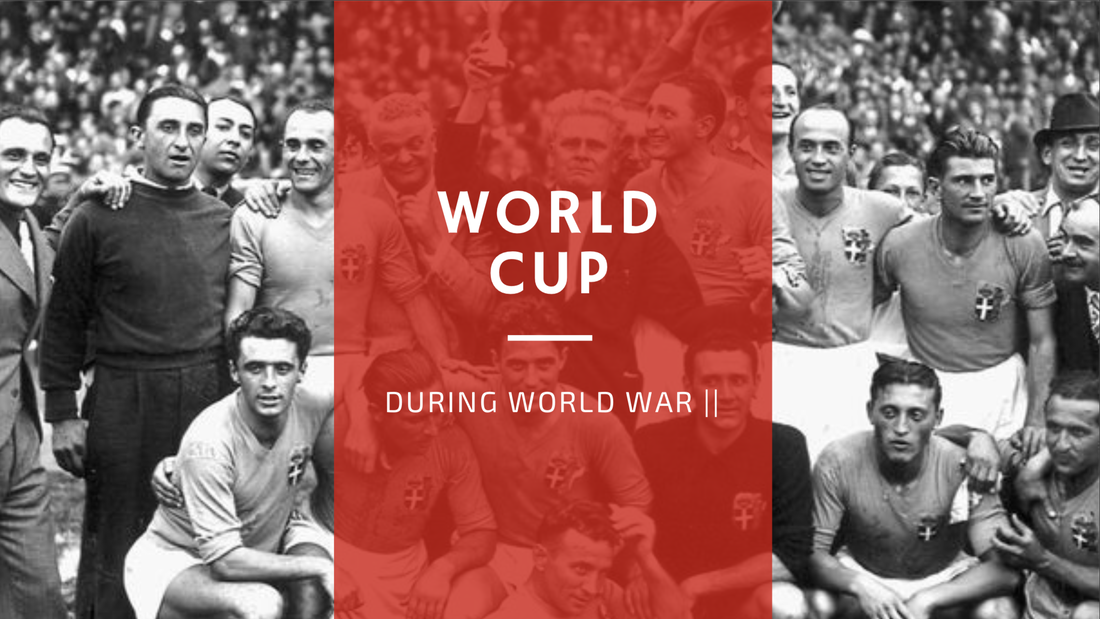
Since most European countries couldn’t attend the first World Cup in 1930, so they decided to host the second World Cup in Italy in 1934. This would also feature the first World Cup event in Europe. For protesting purposes, Uruguay didn’t attend the 1934 FIFA World Cup because it was more popular than the 1930 FIFA World Cup. Italy won the 1934 FIFA World Cup thanks to the good management of Vittorio Pozzo who was their coach in that period and also of home court advantage. However, it was also suspicious due to the fascist administration in Italy, who was accused of conviction of the cup. 

The World Cup in France in 1938 was announced as the first official game. The events leading up this 1938 FIFA World Cup was very intriguing in a political sense. In this World Cup, Uruguay was still protesting about the 1934 incident and decided to not show up in 1938 as well, but that was not the most interesting political affair during the 1938 World Cup. 

1938 was a prime year as Italy and Germany were trying to spread their fascist ideals. Especially after the 1936 Olympics when the African American U.S. Olympians, Jesse Owen won 4 medals held in Nazi Germany, disproving Hitler's race theory. 

During the 1938 FIFA World Cup, 12 countries from Europe, Asia, South America, and Central America participated. In details From Europe including  Belgium, Czechoslovakia, France, Germany, Hungary, Italy, Netherlands, Norway, Poland, Romania, Sweden, and Switzerland, from South America: Brazil, from Central America: Cuba, and from Asia: India Antilles, current day Indonesia. Austria was not able to participate in the World Cup officially in 1938 since Germany had already occupied Austria and forced its players to put on Nazi uniform for Germans' team. However, similar to the 1936 Olympics, Hitler's plan did not work. Germany was eliminated by Switzerland in the first round. However, Italy was able to hold out until the last round and became the winner of the 1938 FIFA World Cup. Of course, the Italians were able to help Germany to gain a bit of fascist win, but it was actually Vittorio Pozzo who had a lot of contribution to the Italian team. He holds the title of the only coach in the history of FIFA World Cups to bring his team to glory in 2 World Cup tournaments.  

After the crazy political tournament of 1938, World Cup was then canceled during 1942 and 1946 due the World War 2. The 1950 FIFA World Cup resumed in 1950 in Brazil where Uruguay participated. 

References:
  1. https://www.history.com/news/world-cup-nazi-germany-forced-austrian-players-lost
  2. https://www.fifa.com/about-fifa/who-we-are/history/first-fifa-world-cup.html
  3. http://www.bbc.com/timelines/zp2mmp3
  4. https://en.wikipedia.org/wiki/History_of_the_FIFA_World_Cup

Related Articles

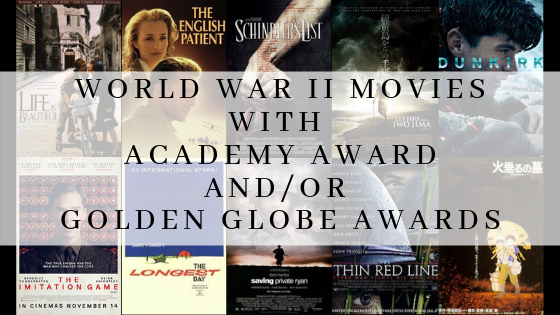
World War 2 movies with academy award and or golden globe awards
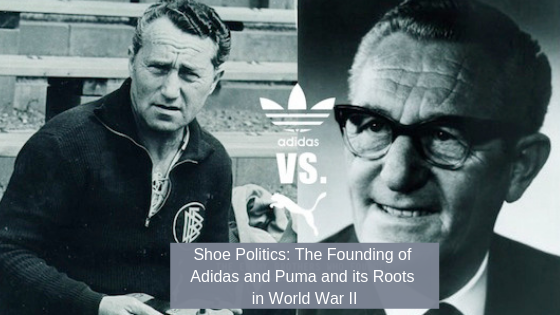
Shoe politics: the founding of adidas and puma and its roots in world war 2

Related Books

Picture
Picture
Pinays Guerrilleras: the unsung heroics of Filipina resistance fighters during the pacific war in world war 2
Rising sun: the innocent fascist symbol
22 Comments
Betjee link
10/4/2022 09:59:57 pm

Thank you for sharing! This article is a must read for every person interested in betting and wanted to expand their knowledge about the craft. Check https://betjee.com for more exciting games and unlimited earnings.

Reply
Soccer Bet Online link
5/23/2023 11:43:10 pm

Thank you for the informative blog post on the World Cup during World War II. It's fascinating to explore the historical context and the impact of the war on this international sporting event.

Reply
aurora-game link
4/5/2024 12:58:16 am

I’ve studied your work a lot, and I’m trying to get better at writing myself!

Reply
jl777 link
4/5/2024 12:59:25 am

Your writing always makes me want to become a writer, too.

Reply
king-777 link
4/5/2024 01:00:29 am

This story means a lot to me.

Reply
abcjili link
4/5/2024 01:01:22 am

This is so well-researched and thorough. I’m impressed.

Reply
tala888-casino link
4/5/2024 01:02:08 am

You make it seem so effortless, but I know you must have worked hard on this.

Reply
wagi77 link
4/5/2024 01:03:06 am

Your hard work really paid off here.

Reply
77ph-casino link
4/5/2024 01:03:56 am

This sentence really grabbed me. I love the way you structured it.

Reply
lovejili link
4/5/2024 01:04:49 am

It was an interesting choice to describe the setting the way you did.

Reply
ye777-casino link
4/5/2024 01:05:48 am

How did you learn to write when you were just starting out?

Reply
gcash77 link
4/5/2024 01:07:17 am

Is there anything I should be doing if I want to write like you?

Reply
ye7-invite-a-friend link
4/5/2024 01:08:48 am

I’d really love to learn from you!

Reply
ye7-login link
4/5/2024 01:09:45 am

Your writing made me recall my own childhood in such vivid detail.

Reply
dali777 link
4/5/2024 01:10:52 am

I went and told all my friends about your article after I read it.

Reply
new-member-register-free-100 link
4/5/2024 01:11:47 am

Your writing changed the way I looked at this.

Reply
gold99 link
4/5/2024 01:13:12 am

You have such a unique perspective.

Reply
win-for-life link
4/5/2024 01:13:51 am

Your work always surprises me in the best way.

Reply
dali77 link
4/5/2024 01:15:06 am

I’ve never read about a character like this.

Reply
phjoin-app link
4/5/2024 01:15:48 am

I didn’t know very much about this, but you made it so interesting!

Reply
new-member-register-free-100-in-gcash link
4/5/2024 01:16:43 am

Something about this scene really struck me, but I’m still trying to find the words for it.

Reply
phjoin link
4/5/2024 01:17:30 am

I just can’t get this part out of my head. Why do you think that is?

Reply


Leave a Reply.

Pacific Atrocities Education
1639 Polk Street #1070
San Francisco, CA 94109
​415-988-9889
Copyright © 2021 Pacific Atrocities Education.
​We are a registered 501 (c)(3) charity. All donations are tax deductible.​
Donate Now
  • Home
    • Host a Fundraiser for Pacific Atrocities Education
    • About >
      • FAQ's - Frequently Asked Questions
    • Support Us >
      • Projects you can support! >
        • Distributing Books
        • Presenting at 112th Annual Meeting of Pacific Coast Branch
        • Summer Research Relocation Fund
    • Contact
  • Stories
    • Videos >
      • Black Hearts (2021)
    • Blog
    • Podcast: Forgotten History
  • Internship
    • Summer 2026 Internship
    • Summer 2025 Internship
    • Spring 2025 Internship
    • Summer 2024 Internship
    • Summer 2023 Internship
    • Fall 2022 Internship
    • Summer 2022 Internship
    • Summer 2021 Internship
    • Fall 2020- Spring 2021 Internship
    • Summer 2020 Internship
    • Fall 2019 Internship
    • Summer 2019 Internship >
      • Public History Night
    • School Year 2018-2019 Internship
    • Summer 2018 Internship >
      • 2018 Summer Showcase + Fundraiser
    • Fall 2017 Internship
    • Summer 2017 Internship >
      • 2017 Summer Showcase & Fundraiser
  • Books
  • Archives
  • Resource Page
    • Supplementary Research Guides >
      • Unit 731 - Guide >
        • Background of Biochemical Warfare Development
        • Imperial Japan's Chemical Warfare Development Program
        • Map of Unit 731
        • Personnel of Unit 731
        • Duties of Unit 731
        • Human Experimentation
        • [GRAPHIC] Germ Warfare Attacks
        • Cover Ups After the War
        • [OLD] Cover Ups After the War
      • Philippines' Resistance - Guide >
        • Philippines World War II Timeline
        • The Japanese Invasion & Conquest of the Philippines
        • Bataan Death March
        • Formation of Underground Philippines Resistance
        • Supplies of the Guerrilla Fighters
        • The Hukbalahap
        • Hunter's ROTC
        • Marking's Guerrillas
        • United States Army Forces in the Philippines of Northern Luzon (USAFIP-NL)
        • The Aetas
        • Chinese and Filipino-Chinese Nationalist Guerrilla Units
        • The Female Faces of the Philippine Guerrillas
      • Rising Sun Flag - Guide >
        • History of the Rising Sun Flag
        • Atrocities Committed Under the Flag
        • Rising Sun Flag in Pop Culture
      • Pinay Guerrilleras - Guide >
        • Japanese Occupation of the Philippine Islands: Pinays Answering the Call to Arms
        • The Fierce Heneralas and Kumanders of the Hukbalahap Guerrillas
        • Amazons of the Pacific Theater
        • Filipina American Veterans: Recovering the Extraordinary Feats of the Ordinary Pinays
        • The Legacy of the Asian Women Soldier
      • Fall of Singapore - Guide >
        • Singapore World War II Timeline
        • History of World War II in the Pacific
        • History of Singapore
        • Japan's Conquest in Asia
        • Japan's Invasion of the Malay Peninsula
        • Sook Ching Massacre
        • Double Tenth Incident
        • Social Changes and Challenges in Singapore
        • Voices from Syonan
        • Return to British Rule
      • Three Years and Eight Months - Guide >
        • Hong Kong before WW2
        • Buildup to World War 2
        • The Battle of Hong Kong
        • Life during 3 Years and 8 Months
        • East River Column Guerrilla Fighters
        • Prisoners of War Camps
        • End of Japanese Occupation
        • War Crimes Trials
      • Siamese Sovereignty - Guide >
        • The Land of Smiles
        • The Thai-Japanese Relationship
        • Phibun’s Domestic and International Policies
        • The Free Thai Resistance Movement
        • Post WW2 Aftermath of Thailand
      • The Khabarovsk War Crimes Trial - Guide >
        • Defendants of Khabarovsk War Crime
        • The Japanese Empire and USSR in WW2
        • The Employment of the Bacteriological Weapon in the War
        • Planning of Japan invasion to USSR
      • Unit 731 Cover-up : The Operation Paperclip of the East - Guide >
        • Establishing Manchukuo
        • The Development of Unit 731
        • Plan Kantokuen and Bacteriological Warfare
        • The Downfall of the Japanese WW2 Era
        • Three Stages of Interrogations
        • Lasting Impacts
      • Marutas of Unit 731 - Guide >
        • How did Ishii Shiro start unit 731?
        • A Beta Testing Site
        • Establishing Pingfan
        • Experiences at the Human Experimentation Complex
        • Vivisection at the Unit 731
        • Anta Testing Grounds
        • Overall Advance from the Laboratory Creations
        • The End of the War
      • Prince Konoe Memoir - Guide >
        • Who is Prince Konoe?
        • Preparation to Tripartite Pact
        • Emperor Hirohito and Prince Konoe
        • The End of Prince Konoe
      • Competing Empires in Burma - Guide >
        • What was the China-Burma-India Theater?
        • When did the China-Burma-India Theater Happen?
        • Who Fought in the China-Burma-India Theater?
        • The Second Sino Japanese War
        • Japan in the South
        • Operation U-Go
      • Battle of Shanghai - Guide >
        • The Battle of Shanghai. Background
        • Shanghai Before War
        • The First Battle of Shanghai 1932
        • Battle of Shanghai 1937
        • Aftermath of Battle for Shanghai
      • Ishi Shiro - Guide >
        • History of Biological Weapons and The Young Ishii Shiro
        • Establishment in Manchuria
        • Pingfang District - Harbin
        • Failures and Corruption
        • Post War
      • Taiwan The Israel of the East - Guide >
        • Background of Formosa
        • Industrialization of Japan
        • China During WWII
        • Taiwan under Kuomintang
        • New Taiwanese National Identity
      • Seeking Justice for Biological Warfare Victims of Unit 731 - Guide >
        • Introduction of Wang Xuan
        • Colonel Memorandum
        • The Beginning of Biological Warfare
        • The Bacteriological Warfare on China
        • Victims in Zhejiang’s Testimonies
        • After the War
      • Rice and Revolution - Guide >
        • The French Colonial Period
        • Anti-Colonial Resistance
        • The Rise of the Communist Movement
        • Imperial Japan’s Entry into Indochina
        • The Portents of Famine
        • The Famine (1944-45)
        • Legacy of the 1944-45 Vietnam Famine
      • Clash of Empires - Guide >
        • Japan’s Imperialist Origins
        • Japan’s Competition against the West: Nanshin-ron and Hokushin-ron
        • Japanese Imperialism Through the Lens of French Indochina
        • The U.S.-Japan Relations and the Pearl Harbor Attack
      • Hunger for Power and Self-SufficiencyI - Guide >
        • The Influence of War Rations on Post-War Culinary Transformations
        • How World War II Complicated Food Scarcity and Invention
        • American Military Innovations
        • Government-Sponsored Food Inventions in Europe during World War II
        • Feeding the Army: The Adaptation of Japanese Military Cuisine and Its Impact on the Philippines
        • Mixed Dishes: Culinary Innovations Driven by Necessity and Food Scarcity
      • Denial A Quick Look of History of Comfort Women and Present Days’ Complication - Guide >
        • The Comfort Women System and the Fight for Recognition
        • The Role of Activism and International Pressure
        • The Controversy over Japanese History Textbooks
        • The Sonyŏsang Statue and the Symbolism of Public Memorials
        • Activism and Support from Japanese Citizens
        • The Future of Comfort Women Memorials and Education
      • Echoes of Empire: The Power of Japanese Propaganda - Guide >
        • Brief Overview of Imperial Japan
        • Defining Propaganda
        • Propaganda Encouraging Action​
        • The Rise of Nationalism
        • The Formation of Japanese State Propaganda
        • Youth and Education
      • Shadows of the Rising Sun: The Black Dragon Society and the Dawn of Pan-Asianism - Guide >
        • Origins of the Black Dragon Society
        • The Influence of Pan-Asianism
        • Relationship with Sun Yat-sen
        • The Role in Southeast Asia
        • The Spread of Ideology and Espionage
        • Disbandment and Legacy
      • Chongqing Bombing: The Forgotten Blitz of Asia and Its Lasting Impact - Guide >
        • Introduction and Historical Background
        • The Class Divide During the Bombings
        • Resilience and Unity of Chongqing
        • Key Incidents - Great Tunnel Massacre
        • The Aftermath of the Bombings
        • Legacy and Commemoration
      • Shanghai's International Zone: A Nexus of War, Intelligence, and Survival - Guide >
        • Historical Background
        • The International Zone
        • Battles in Shanghai
        • Civilian Intelligence Efforts
        • Wartime Brutality
        • Aftermath & Legacy
      • Operation Ichigo A struggle of strategies and alliances in the China Theater​ - GUIDE >
        • Strategic Background of Operation Ichigo
        • Prelude to Ichigo: Internal Chinese Challenges
        • Planning and Execution of Operation Ichigo
        • Logistical Struggles & Air Power
        • Sino-American Command Crisis
        • Consequences & Legacy of Operation Ichigo
      • The Rise of the Kwantung Army: ​Japan’s Empire in Manchuria to 1932 - Guide >
        • European Modernity Arrives in East Asia
        • The Meiji Restoration and Military Modernization
        • Secret Societies and Intelligence Networks
        • Japan’s “Two Splendid Little Wars”​
        • From Treaty to Territory: Kwantung Leased Territory and the SMR
        • Empire by Soybean: Economy, Ports, and Settlement
        • China in Turmoil: Warlords, Nationalists, and a Fragmented Republic
        • Positive Policy and Gekokujō
        • Countdown to 1931
        • Mukden and the Conquest of Manchuria
        • Manchukuo and the Politics of Puppet States
        • Legacies and Lessons
      • Unveiled Horrors: ​Uncovering Japan’s Wartime Human Experimentation - Guide >
        • Human Experimentation in the Tokyo Region POW Camps
        • Unit 731 Background and Shiro Ishii
        • Shinagawa POW Hospital and Dr. Hisakichi Tokuda
        • Kyushu Imperial University Vivisections
        • Gendered & Hierarchical Dynamics of Human Experimentation
        • The Collapse of Japanese Medical Ethics in WWII
    • Lesson Plans >
      • Reparations
      • Ethics in Science
      • Writing the Narrative of a Pinay Fighter
      • Privilege Journal
      • Environmental Injustices
      • Female Guerrillas
      • Hunter's ROTC
      • Scientific Advancements
      • Seeking Justice: A Humanities Lesson Plan
      • The Hukbalahap
      • Trading Immunity
      • Bataan Death March
      • Biochemical Warfare Development
  • Membership
  • Community Movie Day
Contribute